

Making quality healthcare more accessible
For millions of South Africans living in peri-urban and rural communities, accessing quality primary healthcare is far more difficult than it should be. Public facilities are overstretched and under-resourced, waiting times are long, and the practical cost of a single clinic visit - including transport and lost income due to time away from work - often put people off seeking the medical help they need. The result is a healthcare access gap that hits hardest for those who can least afford it.
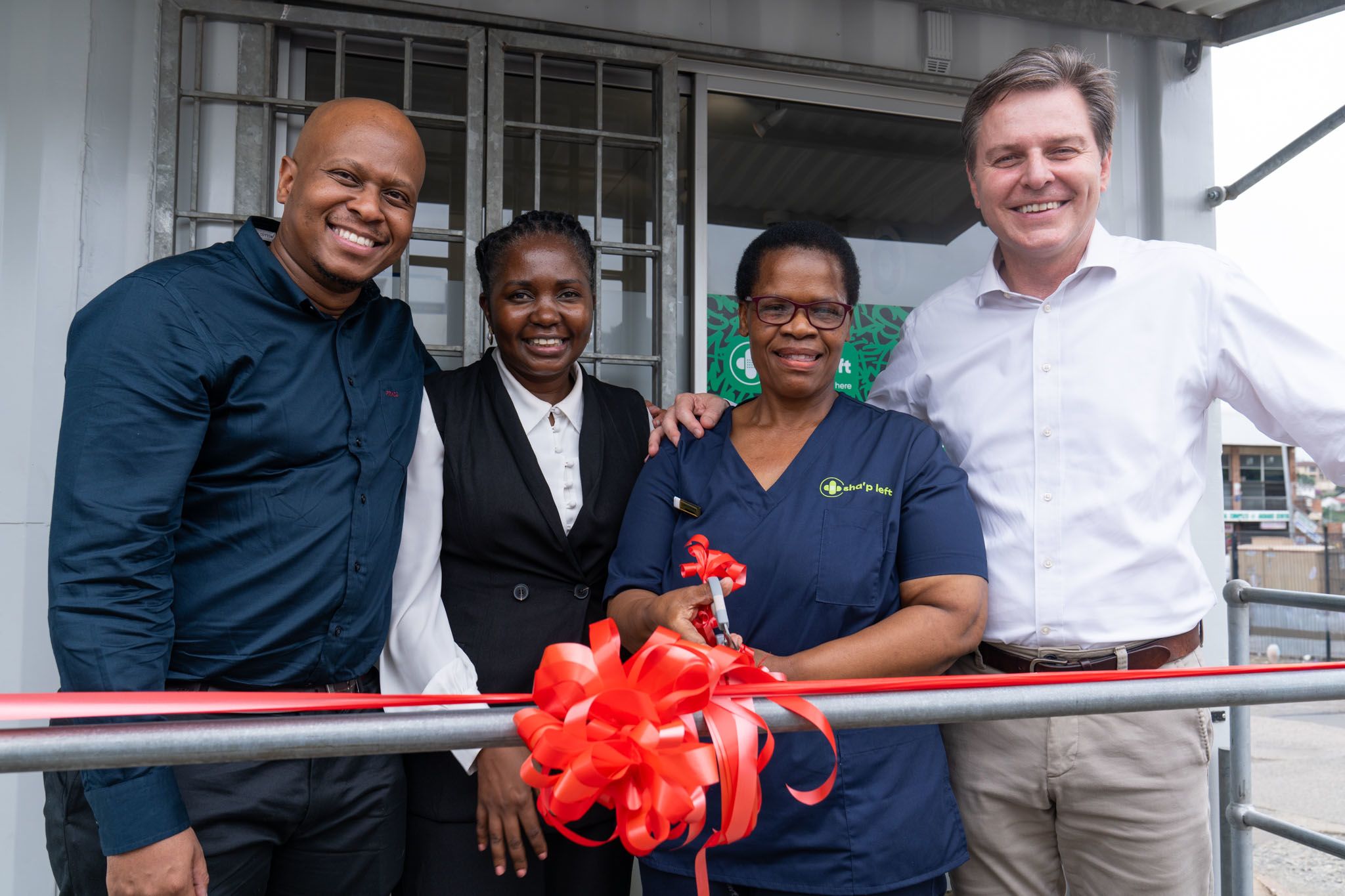

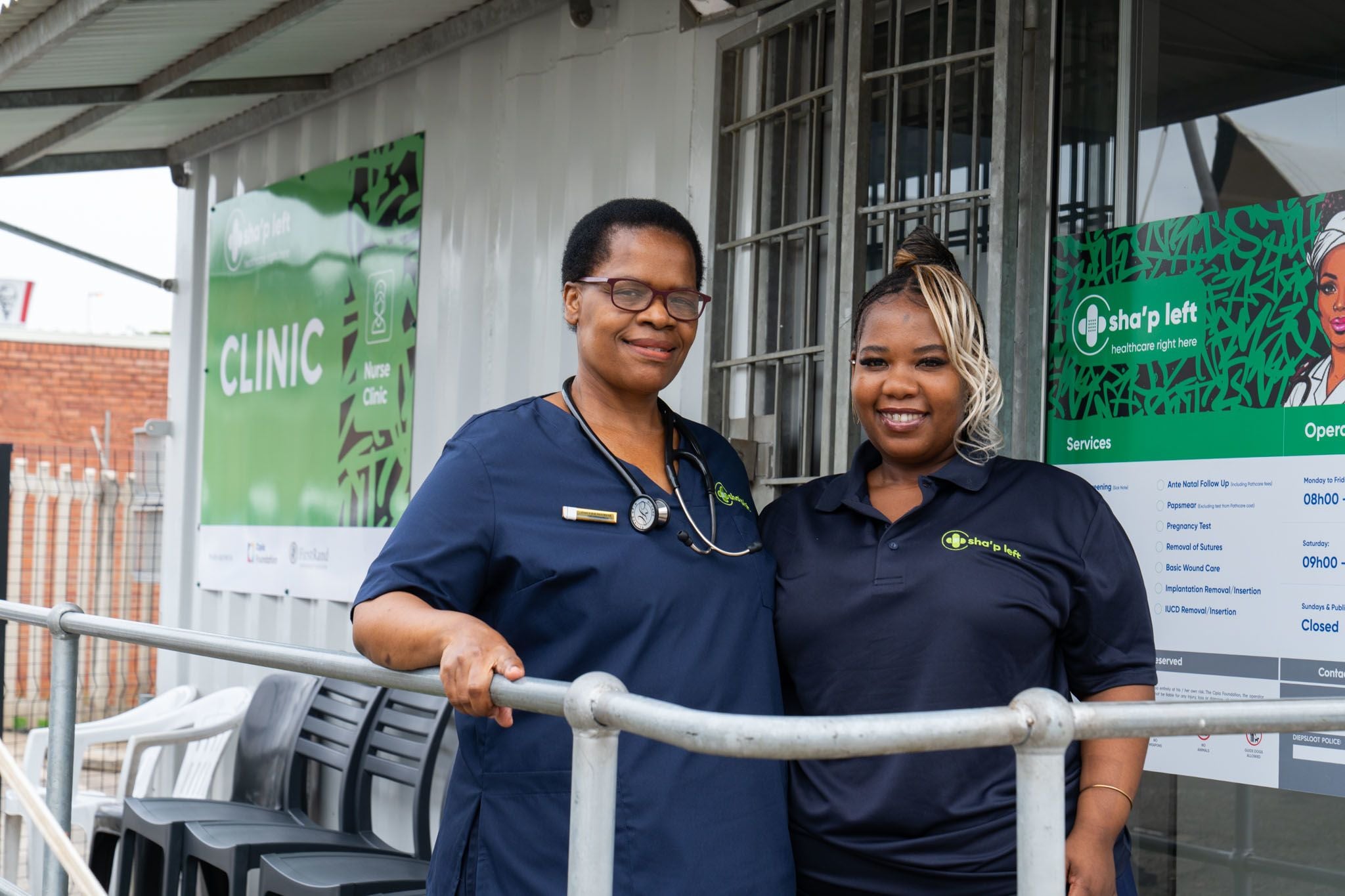
The Sha'p Left initiative, developed by the Cipla Foundation, was designed to close that gap. A nurse-driven, community-based primary healthcare service, Sha'p Left places Good Manufacturing Practice (GMP)-compliant containerised surgeries in the heart of communities making it possible for people to consult a qualified clinical nurse practitioner without having to travel long distances or lose a day's wages. Each surgery holds a dispensing licence for up to Schedule 4 medicines, meaning patients not only receive professional medical attention; they also leave with the medication they need to help them get better.
Currently, container clinics provided by the Sha'p Left initiative serve more than 5 000 patients monthly across its 11 operational locations. And now, thanks to the support of the FirstRand Empowerment Foundation (FREF), that reach is set to grow dramatically.

A partnership with purpose
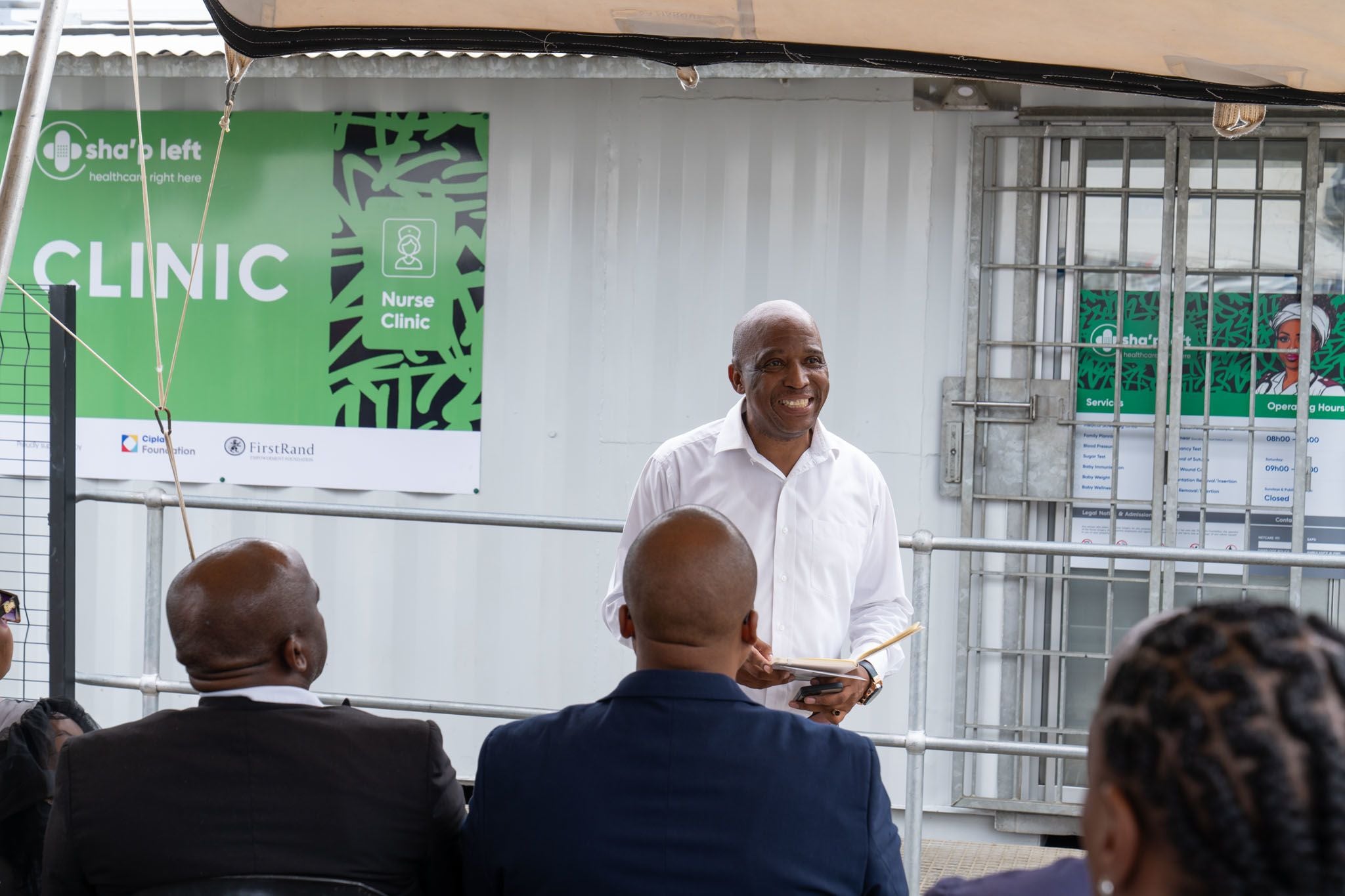
The partnership between FREF and the Cipla Foundation is a natural alignment of shared intent. FREF's mandate - as an independent foundation established as part of FirstRand's B-BBEE deal - centres on reducing poverty and inequality through public benefit activities. Its Healthcare Value Chain focus area specifically aims to provide support that enables the meaningful participation of black South Africans across the health sector - and the Sha'p Left model speaks directly to that ambition.
With FREF's investment, Sha'p Left will scale from 11 nurse surgeries to 61 by the end of 2029. The first three new surgeries are already being deployed in Senoane in Gauteng, and KwaNyuswa and Verulam in KwaZulu-Natal. These are all communities where the healthcare access gap is among the most acute. Solar installations are also being rolled out across the surgery network as part of a commitment to environmental sustainability and cost efficiency.
Entrepreneurship at the heart of the model
What makes Sha'p Left particularly distinctive is its approach to sustainability. Rather than relying on traditional clinic infrastructure, the model is built around enterprise development. The surgeries are owned and run by qualified, predominantly female clinical nurse practitioners, referred to within the programme as "entreprenurses."
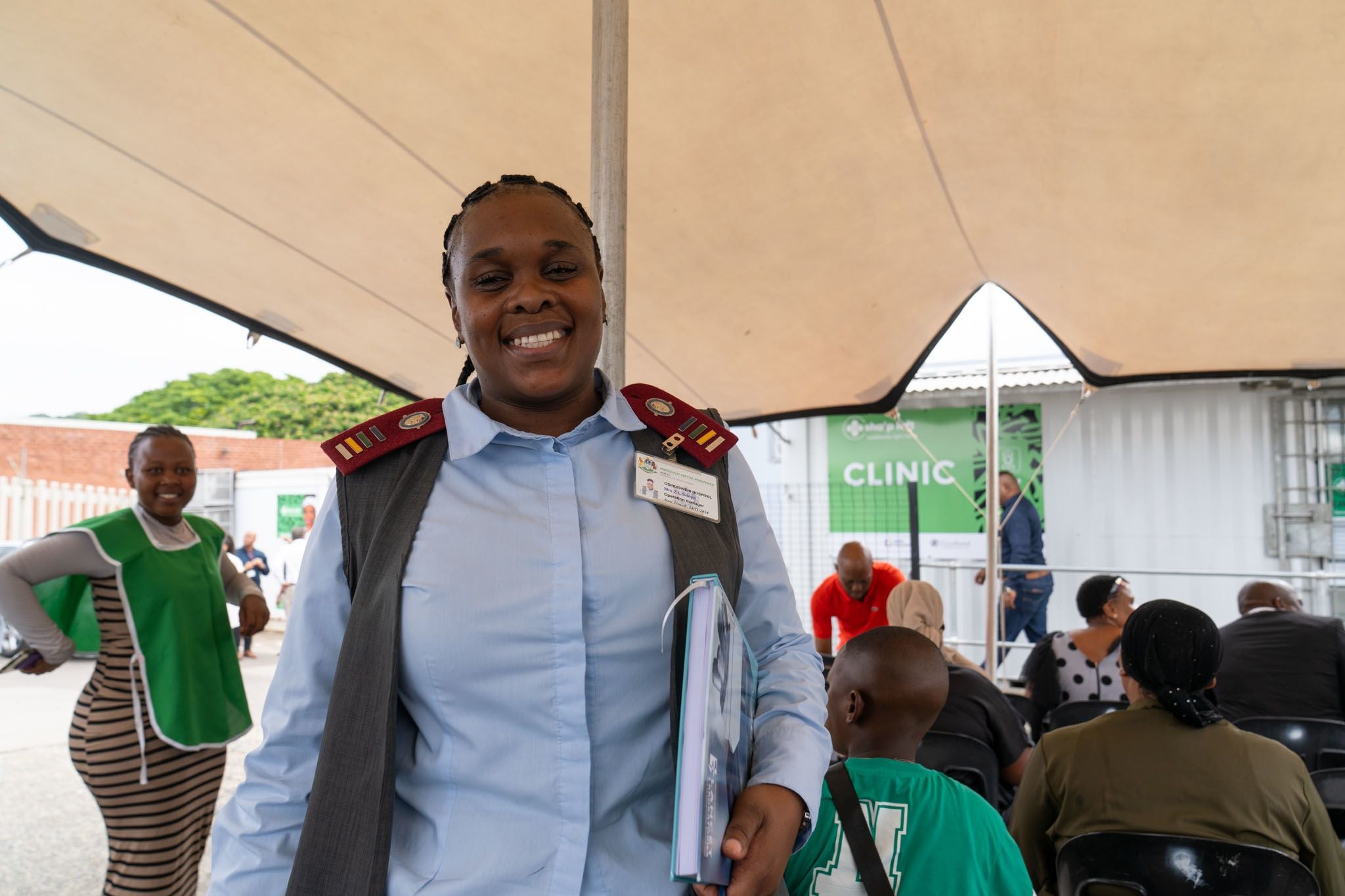
Each nurse receives comprehensive support throughout the development process, including the necessary equipment, regulatory and compliance guidance and access to mentorship. The result is a fee-for-service healthcare model that is financially sustainable and truly empowering, because it creates dignified, independent livelihoods for qualified nurses while delivering affordable, holistic care to people and communities.
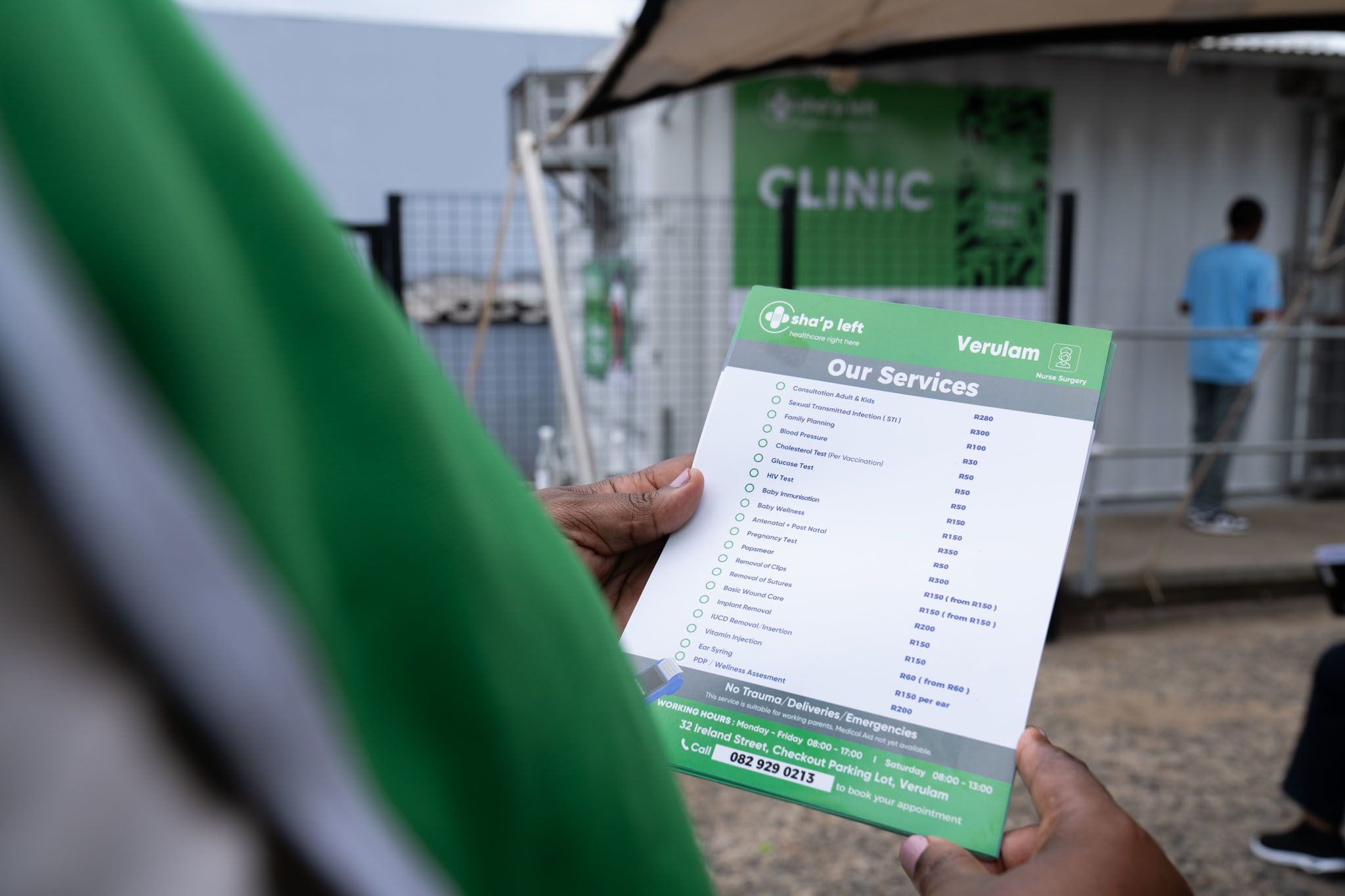
With 61 surgeries operational by 2029, Sha'p Left will represent one of the most significant expansions of community-based primary healthcare in South Africa in recent years. For the patients served by these innovative surgeries, the impact will be immediate and tangible. They will no longer have to choose between their health and their income. For the nurses who will build their own practices in the communities they serve, the rollout will be transformative. And for FREF, it represents exactly the kind of investment it prioritises - one that transforms shared prosperity from an aspiration into a reality.



 Built with Shorthand