
Why your jeans don't fit: The reality of weight gain in modern South Africa
By Comfort Tshabalala – Sponsored by Novo Nordisk
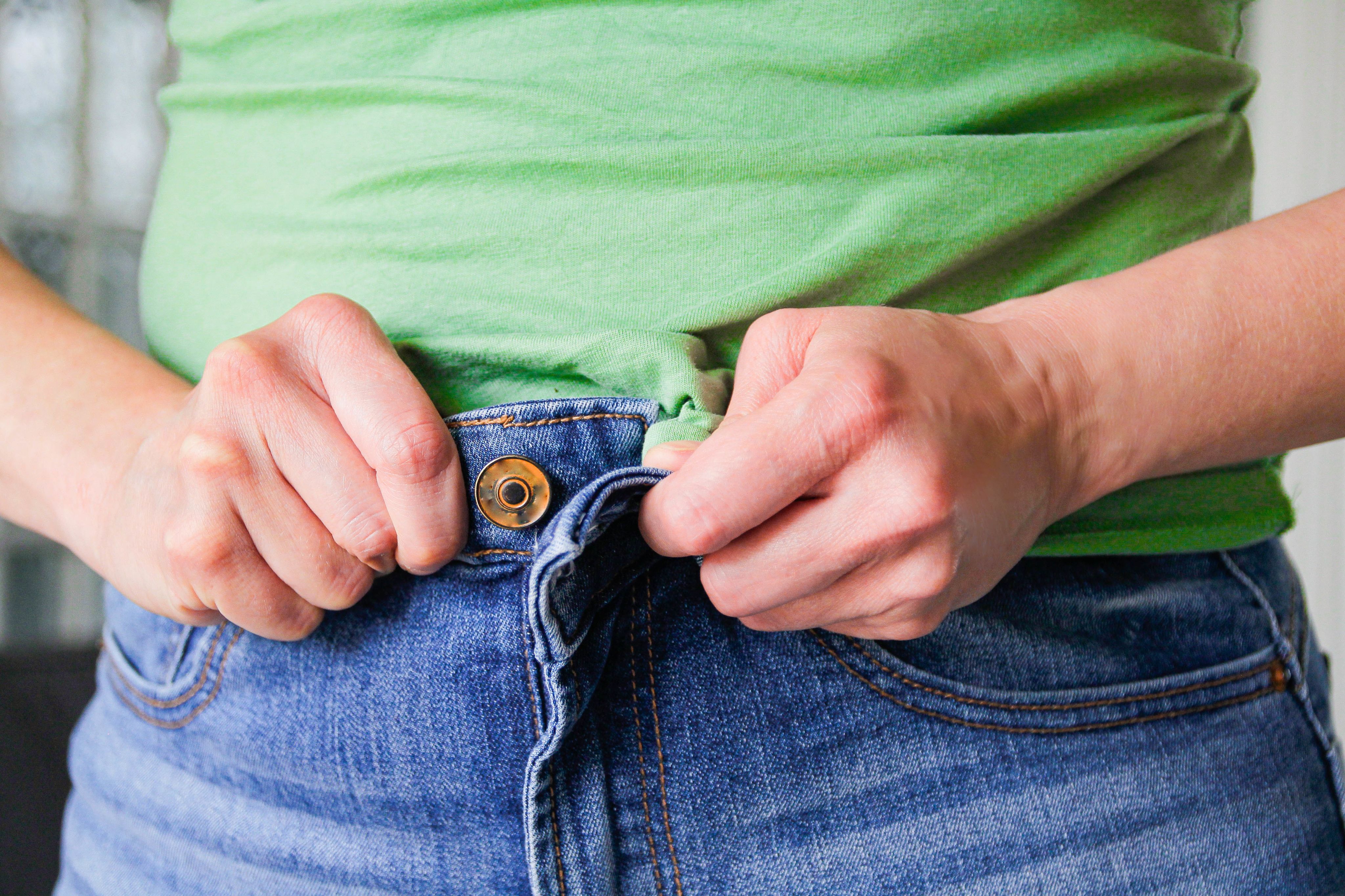

If you've been quietly letting out your belt a notch or two lately, you're definitely not alone. The uncomfortable truth is that nearly one in three South Africans is now classified as obese, according to Worldobesity.org, and over two-thirds of women are carrying extra weight. Before you start beating yourself up about it, let's talk about why this is happening and what it means for your health.
Living in South Africa today means navigating a perfect storm of factors that make maintaining a healthy weight incredibly challenging. Between long commutes, demanding work schedules, expensive healthy food options, and neighbourhoods where evening walks aren't always safe, it's no wonder our waistlines are expanding.
The reality is that obesity rates have exploded, particularly among women aged 35-64, often during the busiest years of juggling careers, families, and financial pressures. Sound familiar?[1][2][3]
The health wake-up call
Here's where things get serious. That extra weight isn't just affecting how you look in photos - it's quietly increasing your risk of some genuinely scary health problems. StatsSA reported that deaths from diabetes and heart disease jumped by nearly 60% between 1997 and 2018, and obesity is a major driver of both conditions.
About 6% of South Africans now have diabetes, whilst over 20% are dealing with metabolic syndrome - a cluster of conditions including high blood pressure, high blood sugar, and excess belly fat that dramatically increases your risk of heart disease and stroke.[2][3][1]
Small changes, big impact
The good news? You don't need to overhaul your life completely overnight. The Department of Health's new obesity strategy recognises that creating healthier environments and making nutritious food more accessible are crucial steps.
Start where you can: pack healthy lunches instead of buying takeaways, take the stairs when possible, find safe spaces for weekend walks with friends, or try those home workout videos during load shedding.[4] Even small changes can help you avoid becoming part of the nearly 50% of South African adults who are now overweight.
Your health, your choice
Weight gain might feel inevitable in our current environment, but understanding the risks empowers you to make informed choices about your health. Whether it's choosing water over sugary drinks, finding ways to move more, or seeking professional help when needed, every positive step counts.
Remember, this isn't about achieving Instagram-perfect bodies - it's about feeling energetic, reducing your disease risk, and being around for the people who matter most to you.[4]
1. https://hsrc.ac.za/news/research-outputs/almost-50-of-adult-south-africans-are-overweight-or-obesepoverty-and-poor-nutrition-are-largely-to-blame/
2. https://globalnutritionreport.org/resources/nutrition-profiles/africa/southern-africa/south-africa/
3. https://safpj.co.za/index.php/safpj/article/view/6001/8973
4. https://www.health.gov.za/wp-content/uploads/2023/05/Obesity-Strategy-2023-2028_Final_Approved.pdf
Novo Nordisk(Pty) Ltd. Reg. No.: 1959/000833/07. 90 Grayston Drive, Sandown, Sandton, 2031, Gauteng, South Africa. Tel:(011) 202 0500. www.novonordisk.za.com. ZA25OB00442, Nov 2025

 Built with Shorthand