
What is Obesity?
Sponsored by Novo Nordisk
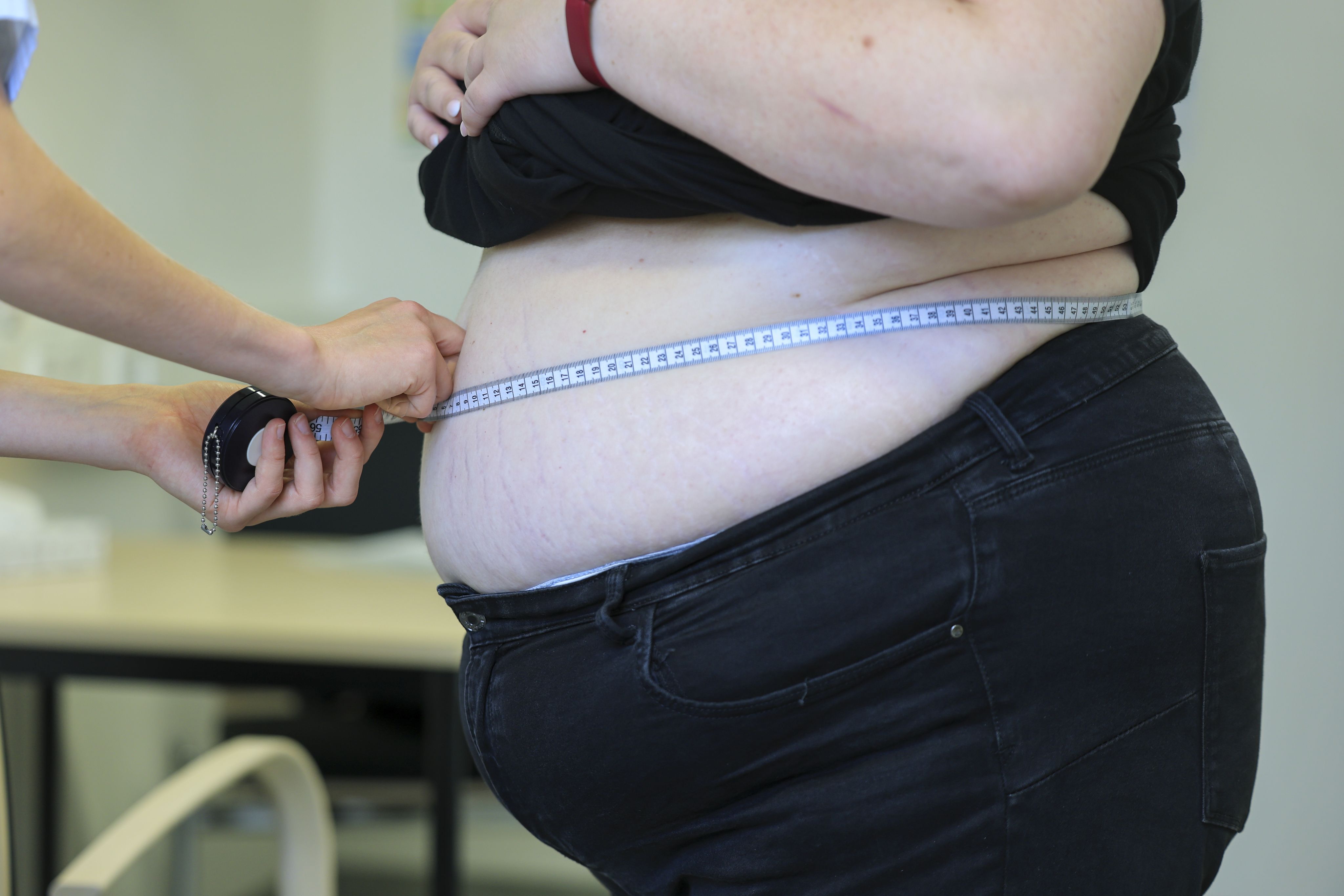

Obesity is far from simple, but we've got the tools to help you get started. It’s time to take charge of your weight and your health.
Understanding Obesity
Obesity is a complex disease characterised by an excess amount of body fat. It’s not just a number on the scale; it’s a chronic condition that can significantly impact your well-being and overall health. Obesity is linked to over 200 comorbidities, ranging from diabetes and heart disease to certain cancers. It’s important to view obesity not just as a weight issue, but as a serious health condition that requires attention.
Quick Tip: Talk to Your Doctor
Identify if you are living with obesity - have a discussion with your healthcare professional.
How to Screen for Obesity
Identifying whether you have obesity often starts with a simple tool: the Body Mass Index (BMI). This method calculates your BMI based on your height and weight, categorising you into different classes:
- Underweight: Below 18.5 kg/m²
- Normal: 18.5–24.9 kg/m²
- Overweight: 25.0–29.9 kg/m²
- Obesity Class I: 30.0-34.9 kg/m²
- Obesity Class II: 35.0–39.9 kg/m²
- Obesity Class III: Above 40 kg/m²
Want to know more about BMI? Click here: Your Body Mass Index (BMI)
What are the Symptoms of Obesity?
The most visible symptom of obesity is, of course, excess body fat. However, several other signs can indicate obesity:
- Difficulty with physical activities like walking or climbing stairs.
- Breathing issues, such as snoring or feeling winded.
- Increased sweating.
- Chronic fatigue and low energy levels.
- Body aches and pains.
- Low self-esteem and feelings of isolation.
- Possible signs of mental health challenges, such as anxiety or depression.
If you identify with any of these symptoms, it may be time for a conversation with your doctor about managing your weight effectively.
Quick Tip: Connect with a Telehealth Professional
Access support easily from the comfort of your home.
What Causes Obesity?
It’s essential to recognise that obesity isn't simply a matter of willpower - it's influenced by a variety of factors that can differ from person to person. Some of these include:
- Genetics: Your family history can play a role in how your body stores fat.
- Hormonal Changes: Hormonal imbalances can affect appetite and energy usage.
- Stress: High levels of stress may lead some individuals to eat more.
- Sleep Patterns: Insufficient sleep can alter hormones that manage hunger.
- Medications: Certain medications can increase appetite or affect metabolism.
- Environmental Factors: Your surroundings and access to healthy foods can influence your weight journey.
Understanding the Causes of Obesity is the First Step!
Recognising the multifaceted causes of obesity can help you and your healthcare provider develop a personalised approach. Every individual’s path to managing obesity will look different.
Speak Your Heart Out: Talk Openly with Your Doctor
Don’t hesitate to voice your concerns and create a weight management plan tailored to your needs!
Final Thoughts: You’re Not Alone
Managing obesity can be challenging, but with understanding and the right support, you can navigate this journey successfully. Start by engaging with your healthcare team, and together, you can explore tools and strategies to help you achieve a healthier, happier life. Remember, taking that first step is a significant victory in itself!
Reference: www.truthaboutweight.co.za
Novo Nordisk(Pty) Ltd. Reg. No.: 1959/000833/07. 90 Grayston Drive, Sandown, Sandton, 2031, Gauteng, South Africa. Tel:(011) 202 0500. www.novonordisk.za.com. ZA25OB00388, November 2025

 Built with Shorthand