


The Standard Bank Sustainable Impact Hub wraps with clear evidence: Africa isn't waiting for climate solutions, it's building them through local leadership and innovation.
Nearly 300 000 solar panels installed across Africa. A R450 billion commitment towards sustainable financing by 2028. Carbon emissions reduced by 419,000. These numbers represent more than corporate achievements - they signal a fundamental shift in how Africa is approaching its sustainable future.
As the Standard Bank Sustainable Impact campaign draws to a close, the evidence is clear: Africa isn't waiting for external solutions to its climate challenges. Standard Bank is serving as both catalyst and partner in this transformation, pioneering solar loan programmes to launching free sustainability education for small businesses, the bank's Grow Green, Think Blue manifesto has evolved from vision to measurable reality.
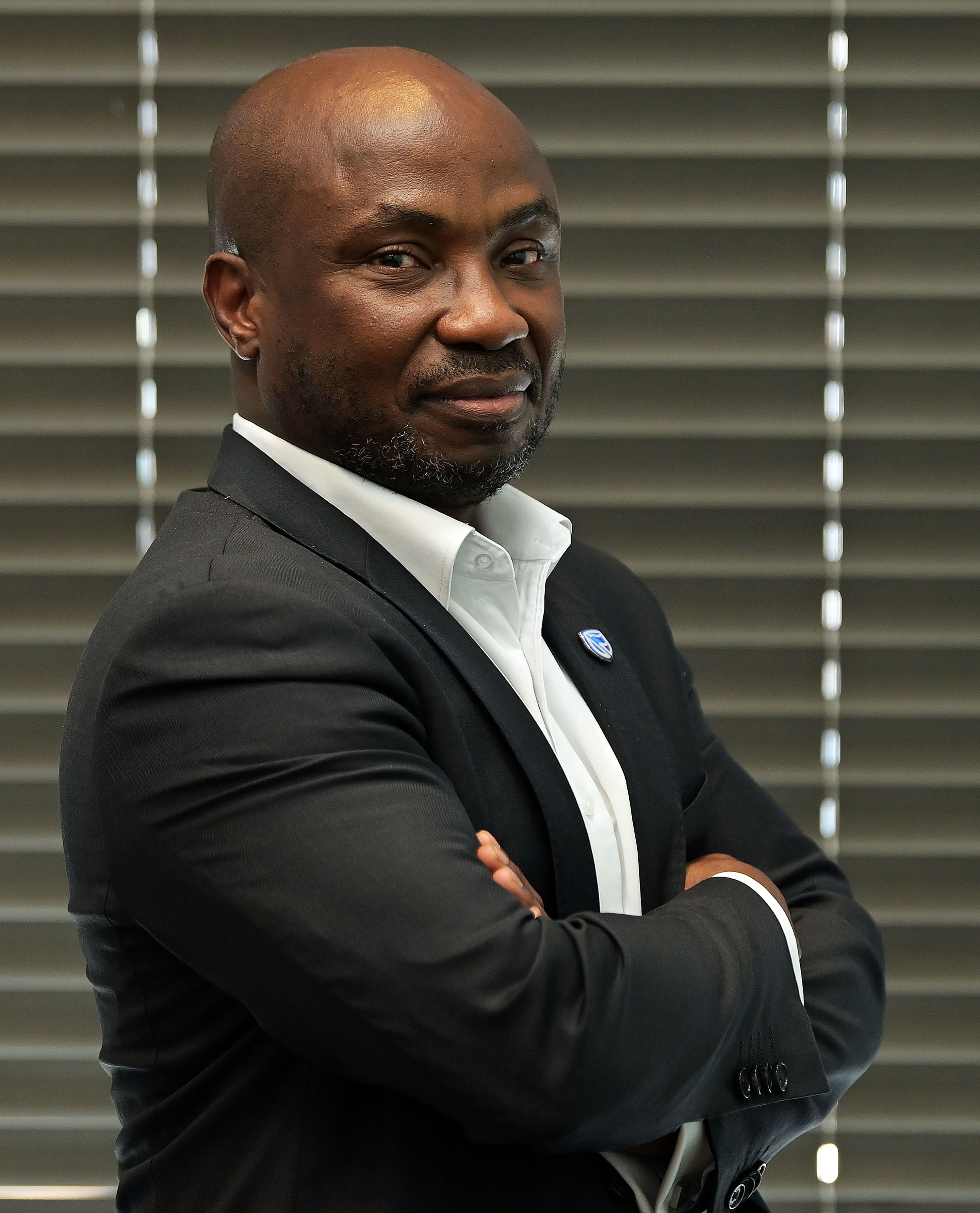
"I am really proud of my organisation. When we say 'Africa is our home, we drive her growth,' we truly mean it, and our commitment of R450 billion towards sustainable financing by 2028 reflects our seriousness about driving sustainability on the continent. But it's not just about finances, it's about leading by example, creating opportunities for others to join this movement, and fostering snowball effects that empower local businesses and communities to generate the clean energy needed to power their own development objectives," says Dr Manessah Alagbaoso, the Executive Head of Business Ecosystems & Sustainability for Business and Commercial Banking at Standard Bank.
A manifesto for change: 'Grow Green, Think Blue'
At the heart of Standard Bank's sustainability drive lies their newly launched manifesto: Grow Green, Think Blue. This is an anchor for driving visibility and awareness across Africa about the urgent need for sustainable development. The initiative recognises that Africa sits at a unique crossroad.
“Africa is in a prime position to lead in sustainability. When we talk about renewable energy, the key resource is the sun, and Africa has one of the highest solar radiations in the world, almost all year round. If you think of arable land, water resources, and forest resources, Africa has an abundance of these essential assets. However, it's not just about resources; it's about taking a pragmatic approach to how we transition,” says Alagbaoso.

The Just Energy Transition: Leaving no one behind
Central to Standard Bank's approach is the just energy transition—ensuring Africa's shift to green energy doesn't leave people behind.
"The just energy transition is rooted in fairness. It's an equitable approach to moving from a high-carbon economy to a low-carbon economy without exacerbating inequalities. A transition that doesn't address socio-economic disparities only moves inequality from a high-carbon economy to a low-carbon economy. When we discuss just transition, it's about ensuring Africa uses its resources efficiently, builds its people up, and does not worsen its already vulnerable position while striving toward decarbonisation," he says.
Measurable impact: numbers that matter
The achievements demonstrate tangible progress:
• 294,342 solar panels installed across Africa through partnerships with SMEs
• 695 000 MWh of renewable energy capacity financed
• 419 tonnes of CO₂e mitigated through sustainability projects
• Comprehensive coverage across agriculture, healthcare, and renewable energy sectors
These metrics signify intentional economic opportunities created, communities empowered, and a foundation laid for sustainable growth across the continent.
The carbon credit opportunity
With Article 6 of the Paris Agreement enabling expanded carbon markets, Africa is uniquely positioned to play a pivotal role in global emissions reduction while improving local livelihoods. Standard Bank is helping farmers, renewable energy producers, and SMEs tap into carbon credit opportunities, creating new revenue streams that reward sustainable practices.
"Helping businesses adopt climate-smart practices while empowering them to profit from sustainable development creates a virtuous cycle," explains Alagbaoso. This approach transforms sustainability from a cost centre into a profit driver, accelerating adoption across sectors.
Partnership is the path forward
Throughout this campaign, one message emerged consistently: "Partnership is the way forward," emphasises Alagbaoso. "If we get Africa to lead in sustainability, there will be so much more for all of us to compete for."
This collaborative approach recognises that the scale of Africa's sustainability challenge and opportunity requires coordinated effort across financial institutions, governments, businesses, and communities. Standard Bank's role is to catalyse this collaboration, providing capital and expertise to unlock collective action.
Africa's sustainable leadership
This campaign establishes a blueprint for how African financial institutions can lead continental transformation, how local resources can be mobilised for global impact, and how sustainable development can be both environmentally beneficial and economically attractive.
The message is clear: Africa isn't waiting for external solutions to its climate challenges. Through initiatives like Standard Bank's sustainability manifesto, innovative financing products, and a comprehensive partnership approach, the continent is writing its own sustainable future.

Click HERE to learn more about Standard Bank’s solutions and how they can support your business or personal journey towards a sustainable future
Read more stories like this on Standard Bank’s Sustainable Impact hub below.
Sustainable Impact Season 2

Sustainable Impact Season 1


 Built with Shorthand