
The hidden health risks of obesity — what every South African should know
Sponsored by Novo Nordisk
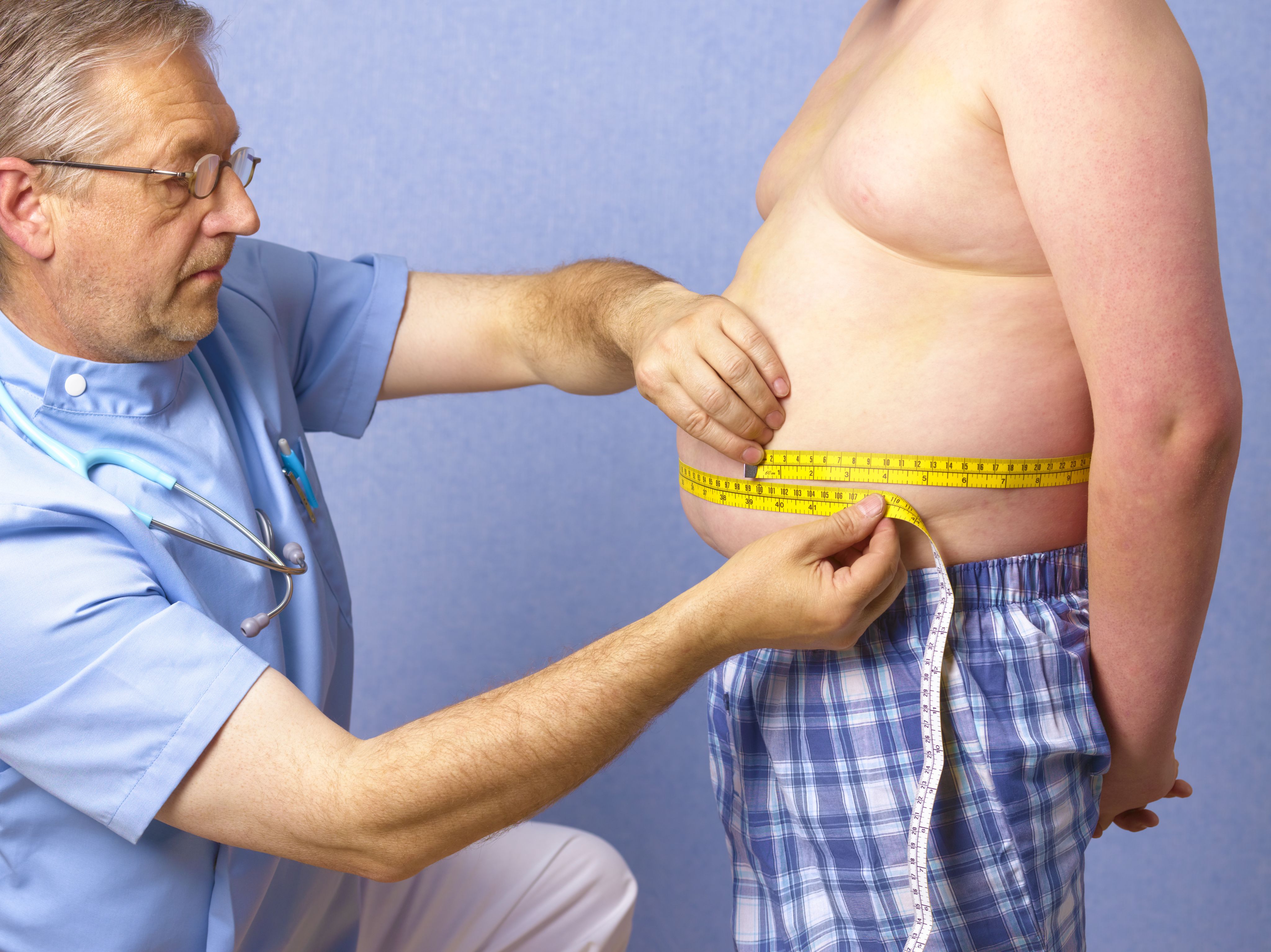

Obesity is more than a number on the scale. For many people, it quietly drives a range of serious health problems across the body — from the heart and kidneys to the liver, joints and breathing during sleep.1 Understanding these hidden risks can help you spot warning signs early and get the right care to reduce harm.
How excess weight harms your body
Fat tissue is not inert. It acts like an endocrine organ, releasing hormones and inflammatory substances that interfere with how the body uses insulin and controls blood sugar.2 Over time, this can lead to insulin resistance and type 2 diabetes, even if blood sugar looks only mildly raised at first.2,3 Diabetes increases the risk of heart disease, stroke and kidney damage if left untreated.4 The same metabolic changes promote non-alcoholic fatty liver disease (NAFLD), which can progress to liver inflammation and scarring if not addressed.5
Breathing and sleep risks
People with obesity are more likely to develop sleep-disordered breathing, including obstructive sleep apnoea. Poor sleep and intermittent oxygen drops worsen blood pressure, blood sugar control and daytime fatigue, creating a harmful cycle that further undermines health and quality of life.6
Musculoskeletal and mobility impacts
Extra weight increases stress on joints, accelerating osteoarthritis, especially in weight-bearing joints like knees and hips. This causes pain, reduced mobility and lower activity levels — which in turn make weight management harder.7
Heart and kidney effects
Obesity often coexists with high blood pressure, raised cholesterol and inflammation — all contributors to heart disease. It also raises the risk of reduced kidney function through prolonged high blood pressure and diabetes-related damage.8,9
When should you seek medical help?
Be alert to warning signs such as breathlessness at rest or on minimal exertion, chest pain, swelling in the legs, very high blood sugar readings, difficulty sleeping with loud snoring or choking awakenings, or sudden deterioration of mobility and pain.10,11,12,13 These warrant prompt medical assessment, not delayed reassurance. What can be done — small changes, big impact.
Even modest weight loss can improve blood pressure, glucose control, sleep apnoea and liver enzymes.14 A specialist approach that combines lifestyle support, guideline-directed medication and, when appropriate, bariatric surgery, offers the best chance to prevent or reverse complications over time.15 The new South African Obesity Guidelines (2025) emphasise obesity as achronic, treatable disease that benefits from early, coordinated care.16
Where to find reliable support and treatment
If you are considering anti-obesity medication, get these through credible, regulated channels: your GP, an endocrinologist or a multidisciplinary obesity clinic. These clinicians can assess your overall health, choose appropriate, scheduled medications when indicated, and provide necessary monitoring. Beware of unregulated online sellers and products that are not prescribed and monitored — these can be unsafe.
For trusted information and resources, visit www.novonordiskcare.co.za for downloadable checklists and links to local services. If you’re in doubt, start by asking your GP for obesity screening and, if needed, a referral to specialist obesity care.
Final word
Obesity is a complex, chronic health condition that increases the risk of many serious, sometimes silent problems.1,15 Early recognition and guideline-based care can prevent complications and improve health and well-being.16 If you’re worried about your weight or related symptoms, don’t wait — seek medical advice and ask for help tailored to your needs.
References
1. Centers for Disease Control and Prevention. Consequences of Obesity [online] December 2025 [cited 10 February 2026]; Available from: https://www.cdc.gov/obe-
sity/php/about/consequences.html
2. May W, Goedecke JH, Conradie-Smit M. The science of obesity. S Afr Med J 2025;115(9b):e3600.
3. Klein S, Gastaldelli A, Yki-Järvinen H, et al. Why Does Obesity Cause Diabetes? Cell Metab 2022;34(1):11-20.
4. World Health Organization. Diabetes [online] April 2023 [cited 10 February 2025]; Available from: https://www.who.int/news-room/fact-sheets/detail/diabetes.
5. Zarghamravanbakhsh P, Frenkel M, Poretsky L. Metabolic causes and consequences of nonalcoholic fatty liver disease (NAFLD). Metabolism Open 2021;12:100149.
6. Jehan S, Zizi F, Pandi-Perumal SR, et al. Obstructive Sleep Apnea and Obesity: Implications for Public Health. Sleep Med Disord 2017;1(4):1-15
7. Bliddal H, Leeds AR, Christensen R. Osteoarthritis, obesity and weight loss: evidence, hypotheses and horizons – a scoping review. Obesity Reviews 2014;15:578-586.
8. Blüher M. An overview of obesity-related complications: The epidemiological evidence linking body weight and other markers of obesity to adverse healthoutcomes. DiabetesObes Metab 2025;27(Suppl. 2):3-1
9. Islam TM, Fox CS, Mann D, et al. Age-related associations of hypertension and diabetes
mellitus with chronic kidney disease. BMC Nephrology 2009;10:17.
10. NHS. Overview, Heart failure [online] May 2022 [cited 11 February 2026]; Available from: https://www.nhs.uk/conditions/heart-failure/.
11. NICE Guideline. Obstructive sleep apnoea/ hypoapnoea syndrome and obesity hypoventilation syndrome in over 16s. 20 August 2021. [online] [cited 11 February 2026]; Available from: https://www.nice.org.uk/guidance/ng202/resources/obstructive-sleep-apnoeahypopnoea-syndrome-and-obesity-hypoventilation-syndrome-in-over-16s-pdf-66143711375557.
9. 12. American Heart Association. About Heart Attacks [online] [cited 11 February 2026]; Available from: https://www.heart.org/en/health-topics/heart-attack/about-heart-attacks.
13. American Heart Association. Diabetes Complications and Risks [online] [cited 11 February 2026]; Available from: https://www.heart.org/en/health-topics/diabetes/diabetes-complications-and-risks.
14. Truth about Weight https://www.truthaboutweight.co.za
15. Wharton S, et al. Obesity in adults: a clinical practice guideline. CMAJ 2020;192:E875-91.
16. Diab PN, Dire Z, Hellig J, et al. Primary Care and primary healthcare in obesity management. S Afr Med J 2025;115(8b):e3731.
Novo Nordisk(Pty) Ltd. Reg. No.: 1959/000833/07. 90 Grayston Drive, Sandown, Sandton, 2031, Gauteng,
South Africa. Tel:(011) 202 0500. www.novonordisk.za.com ZA26OB00079, February 2026

 Built with Shorthand