
Dangers of Counterfeit Anti-Obesity Medication
Sponsored by Novo Nordisk
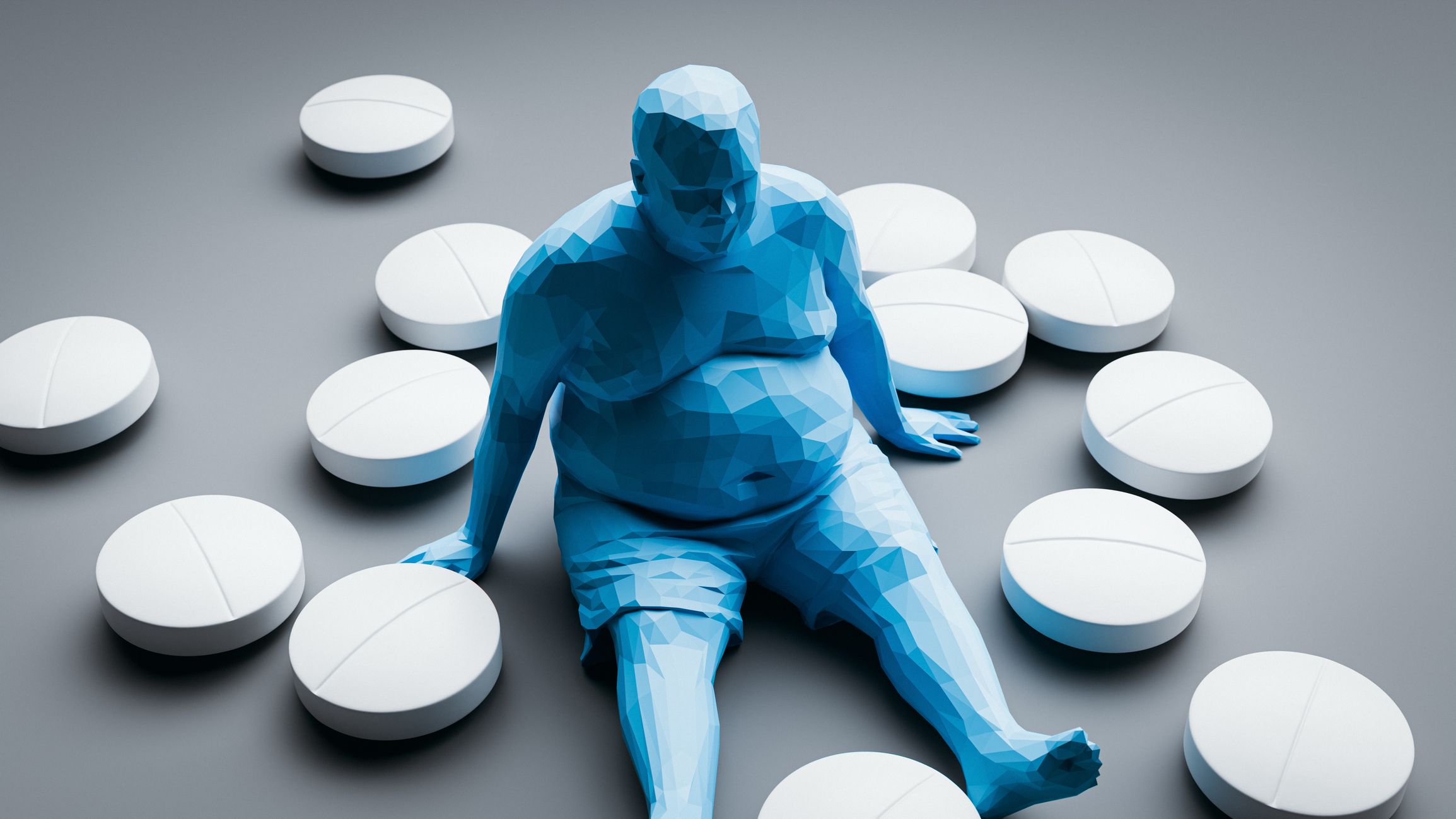

As demand for anti-obesity medications increases globally, so does the risk of counterfeit products enter
the supply chain. Be aware that counterfeit or substandard weight-loss drugs can pose severe health risks, deliver no therapeutic benefit, and undermine efforts to treat obesity safely.
Health risks of counterfeit medications
Counterfeit anti-obesity medicines may contain incorrect doses or harmful contaminants. A study of
falsified medicines found contaminants ranging from inert fillers to toxic compounds; such impurities can
cause allergic reactions, organ damage, or even death (World Health Organization, 2017)1. Fake products
may also contain too little or too much of the active ingredient, which can result in lack of efficacy or
dangerous side effects such as severe nausea, cardiovascular events, or hypoglycemia in people using
combination therapies (WHO, 2017)1.
Misleading claims and false security
Counterfeiters often market products with exaggerated or false claims about rapid weight loss. Consumers
who rely on such products risk delaying proven treatments and lifestyle approaches, creating a false sense
of security that can worsen long-term health outcomes (European Medicines Agency, 2022)2.
Sources of counterfeit anti-obesity medicines
Counterfeit products are commonly sold on unauthorized websites, social-media marketplaces, and
unregulated local markets. Buying prescription-only (scheduled) medications from unverified online
vendors increases the likelihood of receiving falsified or unsafe products. In South Africa and beyond,
regulators have warned about unlicensed online sellers offering prescription weight-loss drugs without a
prescription (South African Health Products Regulatory Authority, SAHPRA)3.
How to recognise and avoid counterfeit products
Always get a prescription and follow up with a licensed pharmacy or an authorised medical supplier. Prescription-only anti-obesity medications should never be obtained without consultation with a healthcare professional.
Check packaging carefully:
spelling errors, poor print quality, missing batch numbers, or tampered seals can all be warning signs. –Verify sellers: purchase only from regulated pharmacies or reputable online pharmacies accredited by recognised bodies. For South Africans, use licensed community pharmacies or hospital pharmacies; SAHPRA provides guidance and warnings about illegal sales3.
Where to find credible information and safe access
• For guidance evidence-based information about obesity and treatment options, including authorised medications, always reach out to a medical doctor.
• https://www.truthaboutweight.co.za provides resources on weight management and links to professional care.
• For medication-specific guidance and safety alerts, consult SAHPRA (www.sahpra.org.za ) and the South African Pharmacy Council.
• Internationally recognized sources such as the World Health Organization (www.who.int ) and the European Medicines Agency (www.ema.europa.eu ) also publish alerts and guidance on falsified medicines.1,2
• If you suspect a counterfeit product, if you experience unexpected side effects, symptoms, or lack of expected improvement after using a weight-loss medicine purchased from an unauthorised source, stop taking it and seek immediate medical attention. Report suspected counterfeit medicines to SAHPRA so they can issue warnings and protect the wider public. 3
Conclusion
Counterfeit anti-obesity medications are a real and growing public-health threat. Prioritise safety by obtaining prescription medications through licensed healthcare professionals and regulated pharmacies, verify product authenticity, and consult trusted information sources like https://www.truthaboutweight.co.za and SAHPRA. Staying informed and vigilant protects your health and supports safer treatment for obesity across South Africa.
References
1. World Health Organization. (2017). A study on the public health and socioeconomic impact of
substandard and falsified medical products. WHO. https://www.who.int
2. European Medicines Agency. (2022). Falsified medicines: public health impacts and regulatory
actions. EMA. https://www.ema.europa.eu
3. South African Health Products Regulatory Authority (SAHPRA). Safety warnings and guidance on
illegal online medicine sales. https://www.sahpra.org.za
Note: This article is for informational purposes and should not replace professional medical advice. Always consult a healthcare professional before starting or changing any medication regimen.
Novo Nordisk(Pty) Ltd. Reg. No.: 1959/000833/07. 90 Grayston Drive, Sandown, Sandton, 2031, Gauteng,
South Africa. Tel:(011) 202 0500. www.novonordisk.za.com ZA26OB00044 Feb 2026

 Built with Shorthand