WATCH | How businesses can prepare for SA’s looming 17% water deficit



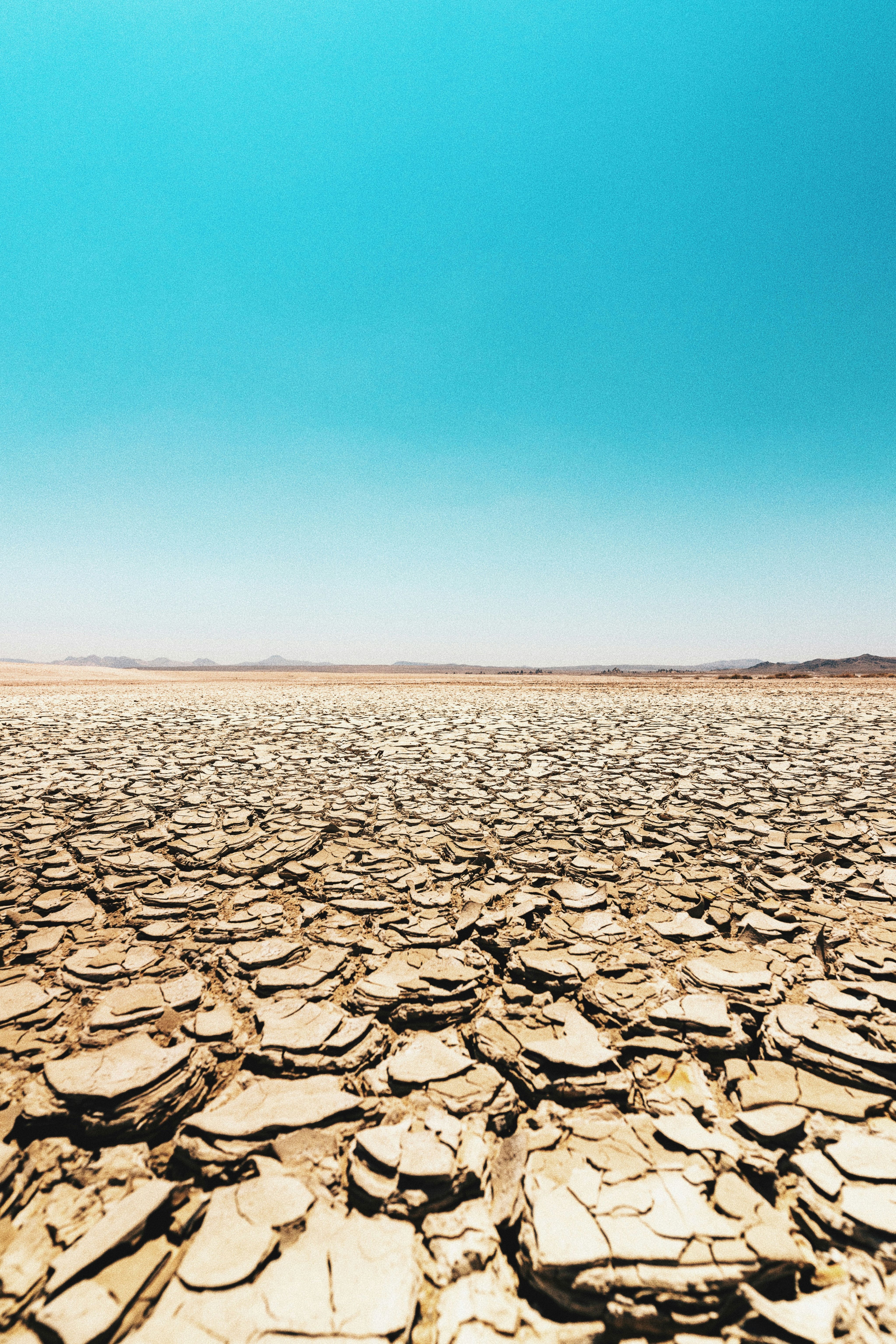
South Africa faces a projected 17% water deficit within five years, prompting businesses across sectors to rethink their water strategies. Some companies are already turning this challenge into a competitive advantage.
South Africa faces a projected 17% water deficit within five years, prompting businesses across sectors to rethink their water strategies. Some forward-thinking companies are already turning this challenge into a competitive advantage, says Sashen Singh, Senior Manager for Sustainability at Nedbank’s Business and Commercial Banking division.
With South Africa receiving just 50% of the global average rainfall and ranking among the world’s 30 driest countries, businesses are implementing practical solutions to secure their operations while reducing costs. It comes as South Africa’s water crisis prompts the implementation of water shedding in some parts of the country, including Gauteng.
"Water scarcity is becoming a serious concern globally, and more so in South Africa. If our rivers become dry, imagine the impact on the farmers, households, businesses and industries," Singh says.
Strategic opportunity
Businesses are encouraged to view water infrastructure as a strategic enabler rather than merely a cost. Companies investing in water solutions now are positioning themselves advantageously as water scarcity intensifies.
"We understand our role at Nedbank to help our clients transition so they can invest in their business plans for the future and help them to be climate resilient."
"We’re seeing businesses that invest in water solutions now achieving a strategic competitive advantage," Singh explains, emphasising the shift from viewing water infrastructure as a cost to recognising it as a strategic business enabler.
Recent financing examples include a R4.1 million pivot irrigation system for a farmer to improve water efficiency and a R52 million water treatment plant project for a municipality, demonstrating the bank’s commitment across both private and public sectors.
In response to the mounting water scarcity crisis, Nedbank has positioned itself as a leader in water infrastructure financing, funding billions of rands in water projects during 2024.
"As of last year, 2024, we had R3 billion of water infrastructure that was funded in the Nedbank Group. Within my segment, we contributed R282 million to water projects. We also have a strong commitment to the United Nations Sustainable Development Goals by being ambassadors for water," Singh details.
Solutions for security
Climate change has had a devastating impact on South Africa, as droughts reduce water supplies and floods damage critical infrastructure and cause land erosion.
Nedbank has also established a partnership with the World Wildlife Fund (WWF) for water habitat restoration projects, aligning its initiatives with the United Nations Sustainable Development Goal 6 for clean water and sanitation.
Nedbank has launched a R2 billion green sustainability bond specifically designed to support investments in water resilience and provide clients with climate-resilient, affordable financing options. The bank aims to grow its sustainability financing to 20% of its total loan book, reflecting the urgent need for water security solutions.
"This is for our clients in the public and private sectors to invest in water solutions by looking at water efficiencies, water saving technologies, and helping them to save on costs. Some of the solutions that we are seeing that are very popular are things like rainwater harvesting, water treatment, dams for storage, water purification, as well as water recycling technologies," says Singh. "We are also focusing on the awareness from an advisory perspective to help our clients find holistic solutions."

Take the first step in future-proofing your business and visit the Nedbank Commercial Banking page business.nedbank.co.za or use the 'Let us contact you' form to explore tailored financing solutions for building a resilient and future-ready business.

Read more stories like this on Nedbank's Climate Resilience in Action content hub

 Built with Shorthand