From survival to leadership: SA manufacturing’s reinvention imperative
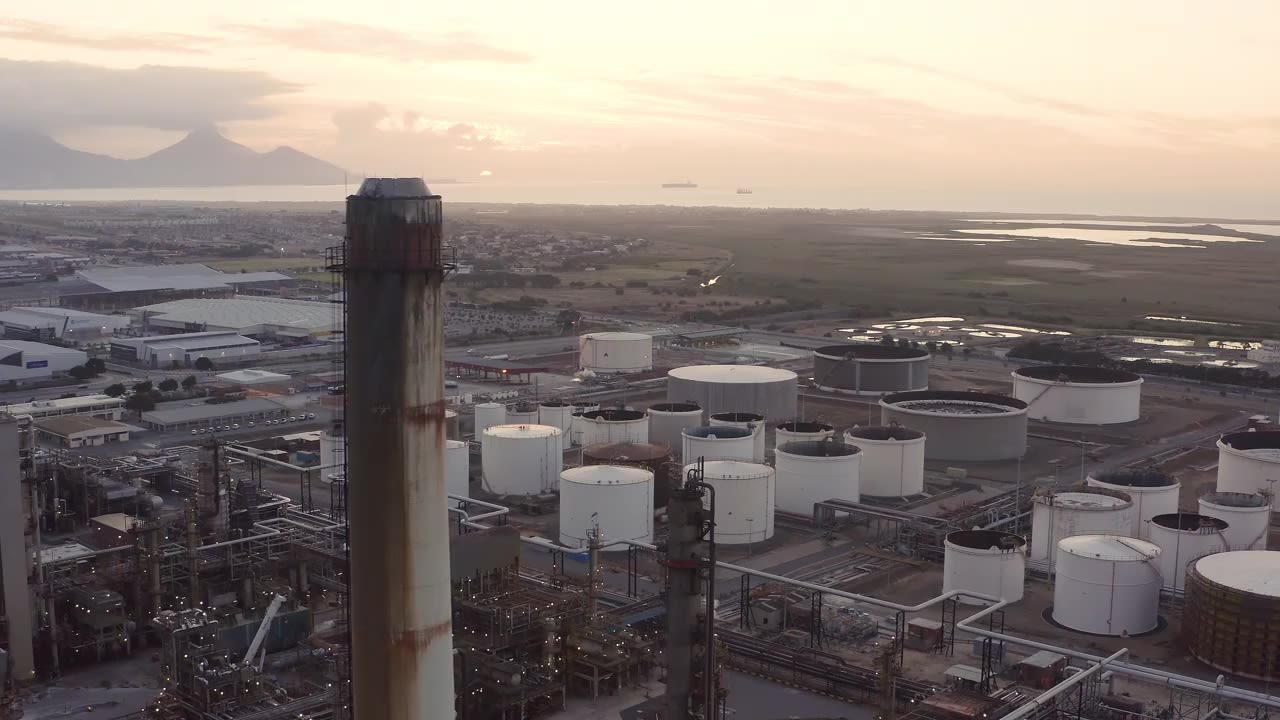


South Africa’s manufacturing sector faces an uncertain future with international trade regulations adding pressure for businesses to align with global environmental standards or face exclusion.
South Africa’s manufacturing sector is facing a pivotal moment, with R27.4 billion worth of exports to Europe at immediate risk from new carbon regulations. The industry, which contributes 13% to the country’s gross domestic product (GDP) and employs over 1.6 million people, must choose between transformation and market exclusion.
Amith Singh, National Manager for Manufacturing at Nedbank, explains: "The South African manufacturing sector has, for too long, been characterised by its resilience in the face of shocks. In recent years, this resilience has been tested by energy instability, port inefficiencies, geopolitical headwinds, and supply chain disruptions."
However, Singh warns that resilience alone is no longer sufficient. “As we head into September, resilience by itself is not enough. The moment calls for reinvention, grounded in an understanding of the shifts reshaping the global and domestic landscapes.”
The CBAM Challenge
The European Union’s Carbon Border Adjustment Mechanism (CBAM) represents a significant regulatory shift. It threatens to impose carbon taxes on exports that fail to meet environmental standards. South African exporters must ensure compliance by the 2026 deadline or risk financial penalties and losing critical export markets.
Volatility: A new reality
For the sector, challenges like unreliable energy supply due to load shedding and unplanned outages, along with logistical bottlenecks delaying critical inputs such as green steel, have become the norm. Many firms plan six to eight months in advance to secure materials and maintain production.
"We have moved from recovery into an era of complexity. Globally, inflationary dynamics, fiscal tightening, and shifting trade corridors are shaping markets," says Singh. While companies grapple with immediate operational challenges, a divide is emerging between those preparing for future regulatory shifts and those focused solely on survival.
Why strategy-led companies excel
Insights from Nedbank-NAACAM’s carbon emissions study reveal significant vulnerabilities. Although 70% of respondents export to Europe and the UK markets with strict CBAM requirements, over 60% lack a baseline for carbon emissions, leaving firms exposed to non-compliance risks.
"Roughly a third of manufacturers view decarbonisation as an opportunity, while another third sees it as a threat. For exporters and multinationals, it is a strategic priority. For others, it is still seen as a cost burden. Unsurprisingly, the top barriers cited were cost, regulatory uncertainty, and a lack of clarity on how to measure emissions," says Singh.
Nedbank’s role in reinvention
Recognising these challenges, Nedbank has designed offerings to guide manufacturers through transformation, including:
- Sustainability-linked finance and green asset funding to accelerate decarbonisation.
- Trade finance solutions to modernise supply chains and expand international markets.
- Digital platforms for seamless payment systems and operational efficiencies.
- Collaborative tools like the carbon readiness toolkit, co-developed with NAACAM, to support the automotive sector’s transition to green technologies.
"We are not just here to observe the changes. At Nedbank, we are actively collaborating with industry stakeholders and investing in resources that help manufacturers stay ahead of the curve," Singh explains.
The way forward
Singh frames the current moment as a critical decision point for the sector. "The question is no longer ‘how do we survive?’ but ‘how do we lead?"
Comprehensive transformation is imperative. "Our reindustrialisation path cannot rely only on resilience. Firms must embrace decarbonisation, digitisation, and reskilling, not just for compliance but for access to markets, investments, and trade incentives."
Singh reiterates Nedbank’s proactive stance: "Manufacturing remains foundational to the economy. At Nedbank, we are not bystanders. We are enabling reinvention alongside the sector, ensuring our country’s manufacturing industry does more than endure, it leads."

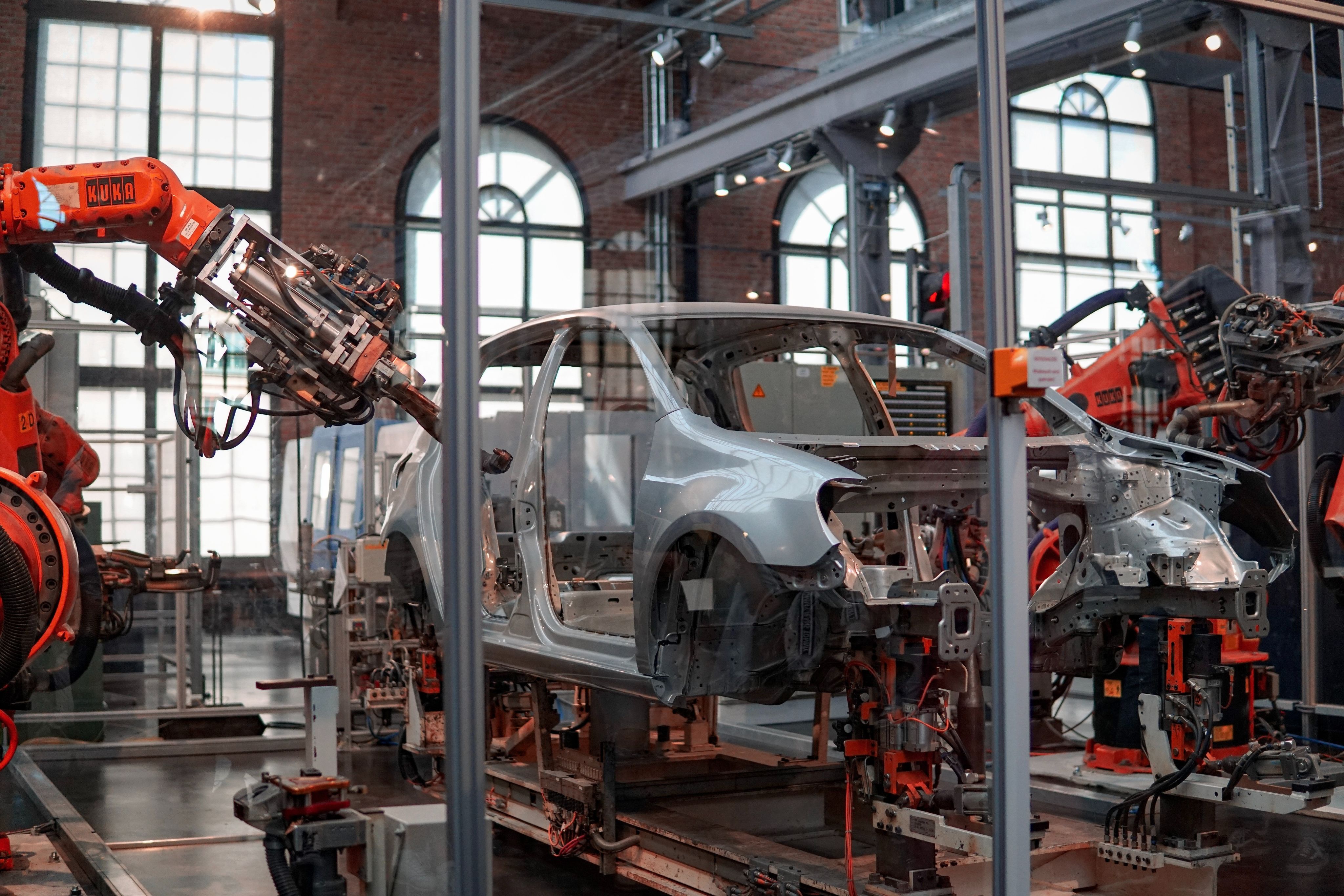
Take the first step in future-proofing your business and visit the Nedbank Commercial Banking page business.nedbank.co.za or use the 'Let us contact you' form to explore tailored financing solutions for building a resilient and future-ready business.

Read more stories like this on Nedbank's Climate Resilience in Action content hub

 Built with Shorthand