

Low matric results? You can still get into tertiary, here's how
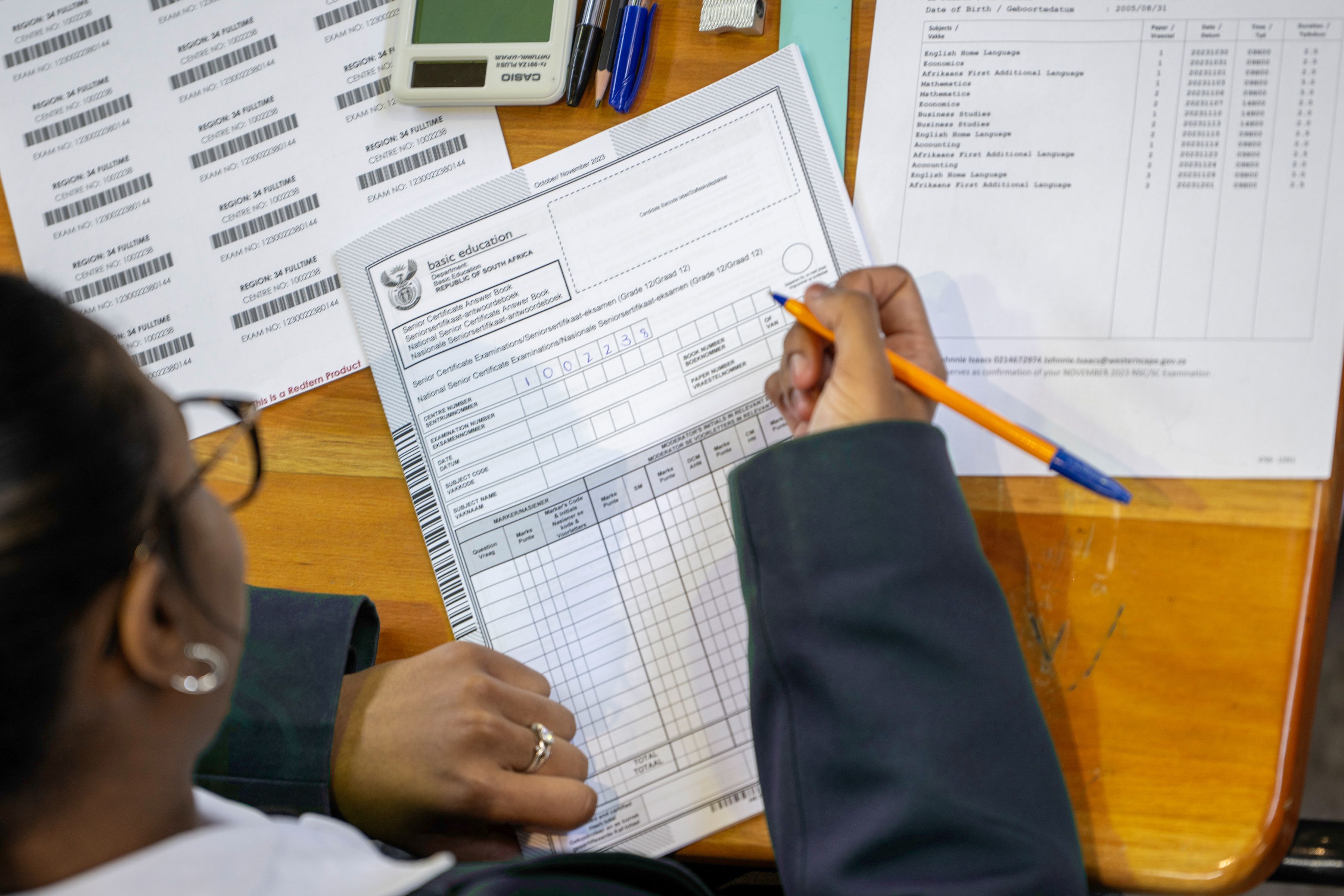

Matric results didn't meet your dream course requirements? Don't despair! Career counsellor Natalie Rabson reveals alternative pathways to achieve your goals.
Now that you've put in the effort to complete your studies, it's time to move forward with a positive attitude. This is the perfect opportunity to explore different degrees and diplomas to find your ideal career path.
If you're passionate about a career but your matric results don't meet the course entry requirements, don't worry - there are alternative pathways to achieve your goals. Natalie Rabson, Career Counsellor at Boston City Campus, shares insights on how to achieve your dream career through various avenues, utilising the matric results you have achieved.
Admission requirements: Do all tertiary institutions work on an admission points score?
"Different tertiary institutions have different admission requirements. In South Africa, there are two main types of requirements," says Natalie.
These are as follows:
• The first is APS or the Admission Point Score. This is calculated from an individual's examination subjects matric marks, with each percentage equaling a specific point.
• Certain institutions and courses require a specific number of points for admission into a course.
• The second option, which is used by private tertiary institutions, allows entrance depending on the pass mark category received on the matric certificate.
"We use the different passes on the Matric Certificate as the metric for entry into our different courses,"
This translates into the following:
• Bachelor's pass means the opportunity to apply for bachelor's degree studies
• Diploma pass means the opportunity to apply for diploma studies
• A Higher Certificate pass means the opportunity to apply for higher certificate studies
• NCS pass means you can apply for short learning programmes or an occupational qualification
Paths to get into your dream course
"If you do not have a matric endorsement to study towards a degree or diploma, Boston City Campus has alternative learning pathways which will enable you to qualify for further higher education to enter the degree or diploma of your choice," says Natalie.
• If you have obtained your National Senior Certificate (NSC) and meet the basic requirements of a matric pass, then you are able to study a Higher Certificate course at a tertiary institution. This can be completed in one year.
• The Higher Certificate is a complete qualification on its own. It needs to be a minimum of 120 credits on level 5. That is the equivalent of 1st year (or varsity level qualification).
• Following the completion of a "CHE Higher Certificate, students can then apply to a degree or diploma.
"Students become eligible to pursue their career path upon completing the Higher Certificate, regardless of their matric results," says Natalie.
Council on Higher Education (CHE) is an independent statutory body ensuring the quality of higher education in South Africa.
Next steps towards a degree or diploma
The Higher Certificate qualification provides basic entry skills, enabling students to choose between entering the workplace or taking the next step, which involves further study for a degree or diploma in their chosen field.
• Check both local and international accreditation to ensure the institution's standard of academic excellence
• Registration for your course can usually be done online or in person
• Student call centers or counsellors can assist you via telephone if you need help with your online application
• You will need various documents, such as your ID and a certified copy of your qualifications
• If you are unsure about the next steps or need career advice, speak to a career counsellor or adviser at one of the tertiary institutions
• You can also do an assessment to determine your strengths, which comes with no obligation advice
• Understanding your strengths allows you to narrow down your ideas and decisions before embarking on your future career
Acquiring credits for courses that require specific matric subjects
"There are some entry requirements and conditions for certain courses. The institution can advise you which subject is needed to gain entry into a particular course," says Natalie.
• For example, if a student wants to do the Bachelor of Accounting (BAcc), they need to have done accounting in matric to be eligible for this course.
• However, if they haven't done matric accounting, a learner can do a qualification that has accounting, for example, a one-year higher certificate in financial accounts.
• Once that is completed, the learner can go into the BAcc course.
Getting on track with your career
It is important to keep in mind that there are always options to getting on track to the career of your choice. While the path may require some additional work, your dedication and persistence will get you there.
"It may be challenging at times, but the most important thing is to keep on. Getting help from student advisors will also help you on your way."
"We celebrate the achievements of the 2024 matric cohort. We believe in acknowledging and rewarding the efforts reflected in the record results of our matrics. All students deserve a fair chance at career success and finding the pathway to make this possible," concludes Natalie.
Visit Standard Bank's Youth Hub HERE to find resources that will help you kickstart your career.





 Built with Shorthand